
Skip to content
In-house fabrication

Custom joinery in Dubai The reason our details close properly.

Custom joinery designed, fabricated and installed by our own workshop — the single biggest difference between an interior that looks bespoke and one that is.

Skip the film
Why it matters

Nothing in a real building is square. Joinery made to the drawing will not fit. Joinery made to the opening will.

The workshop

What we make.

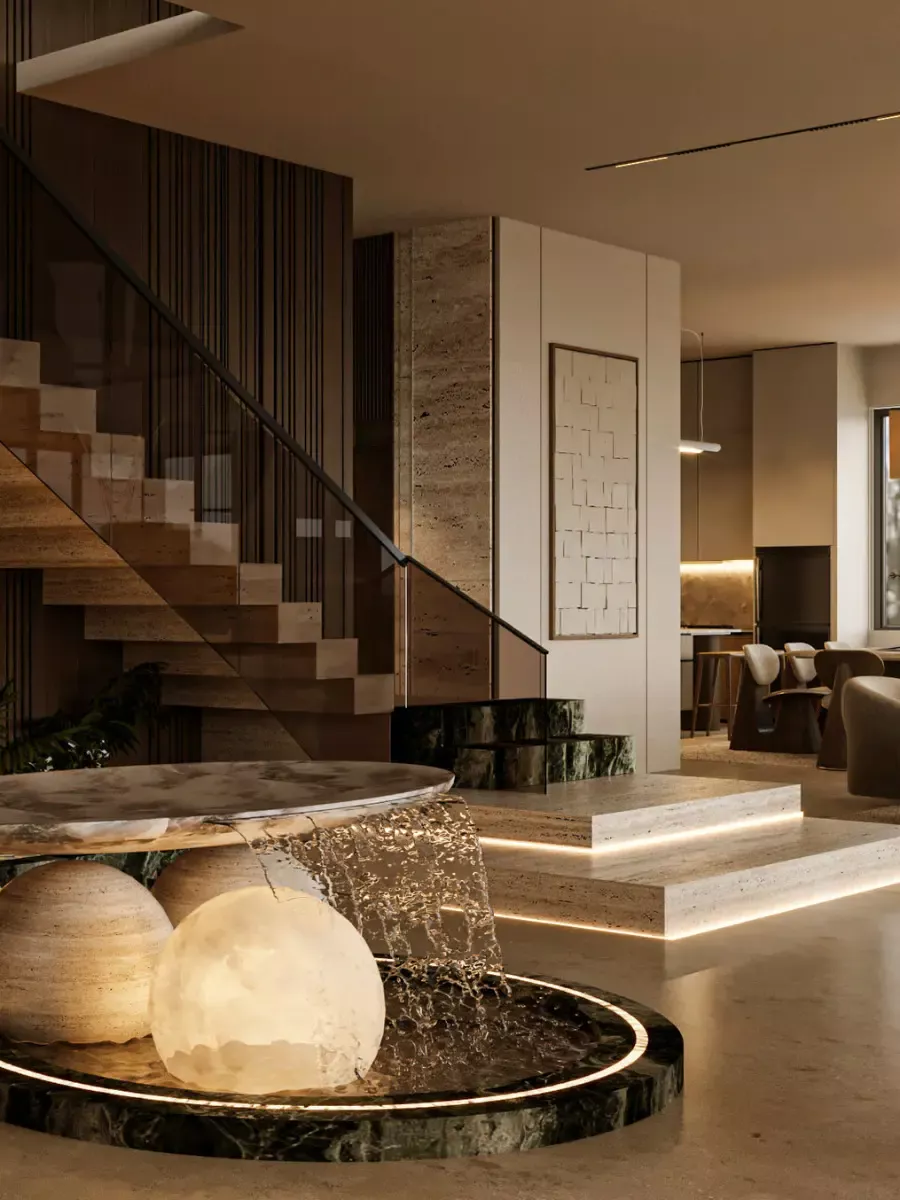
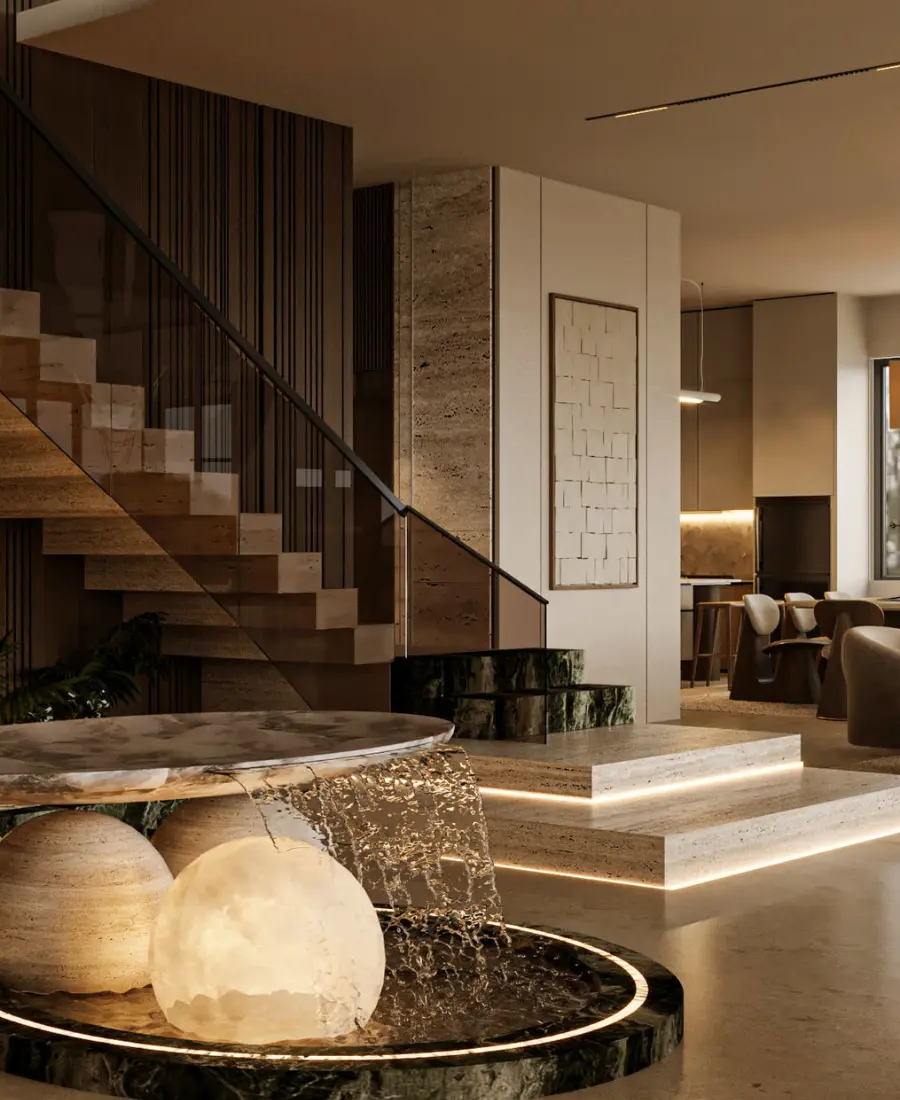
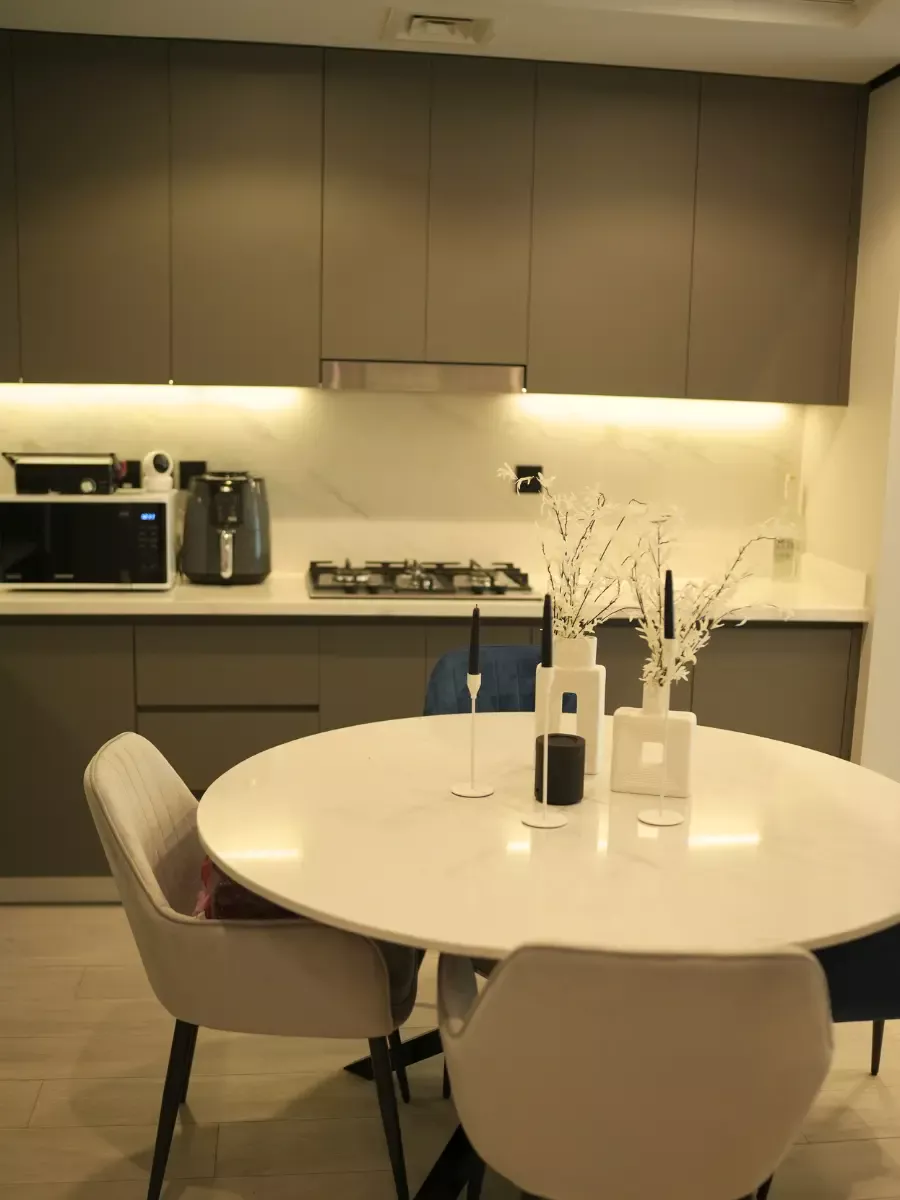
Kitchen with a round dining table
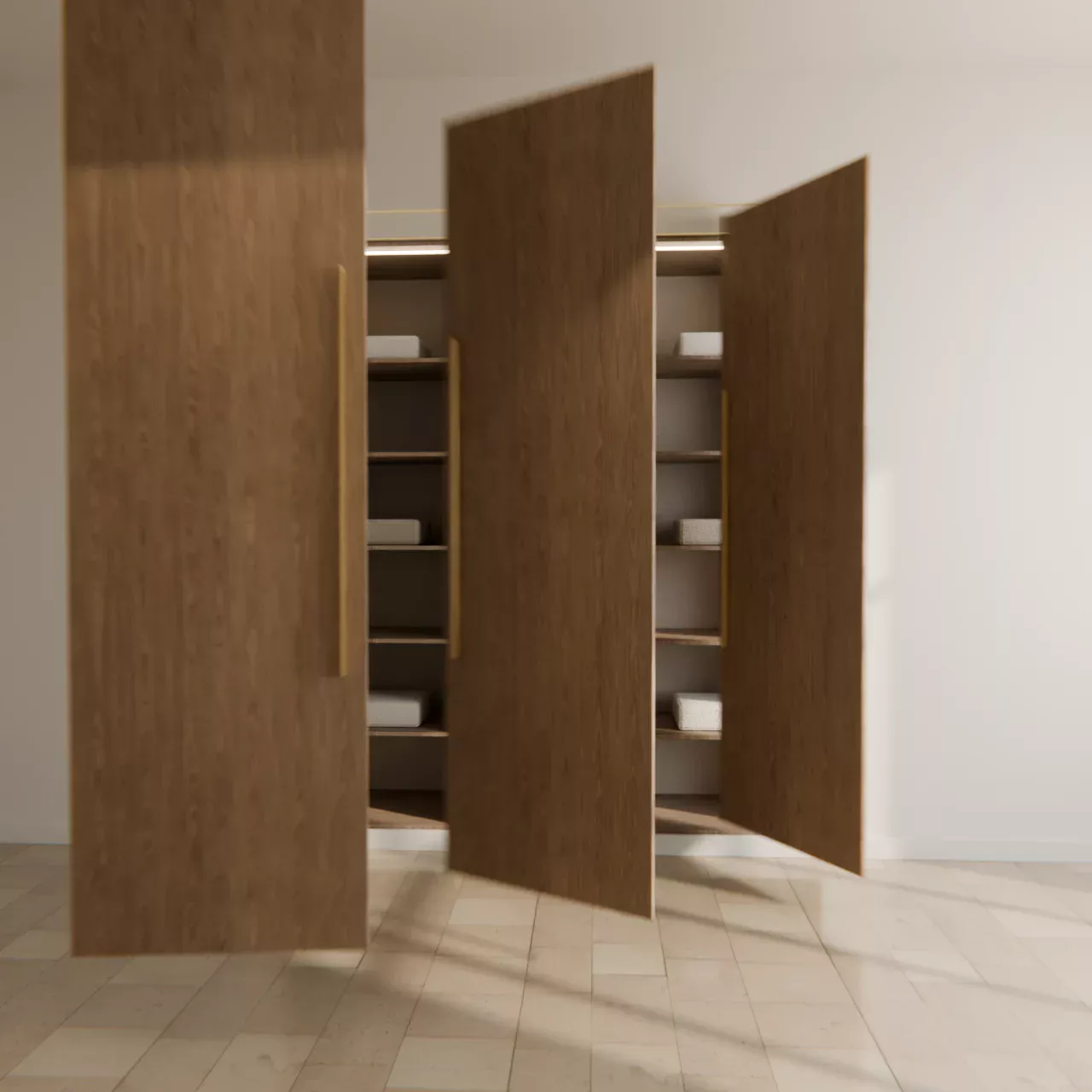
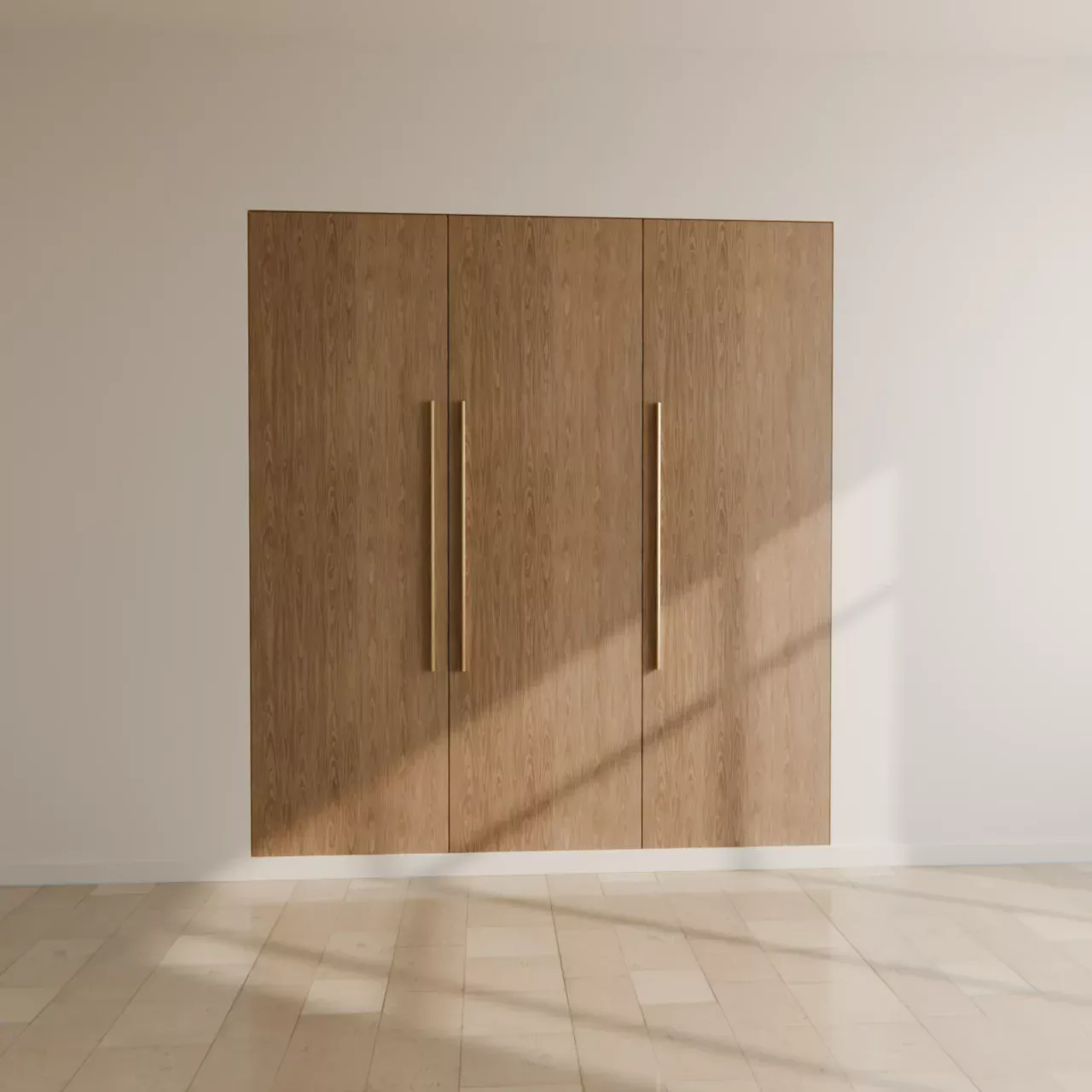
A wardrobe made to its opening
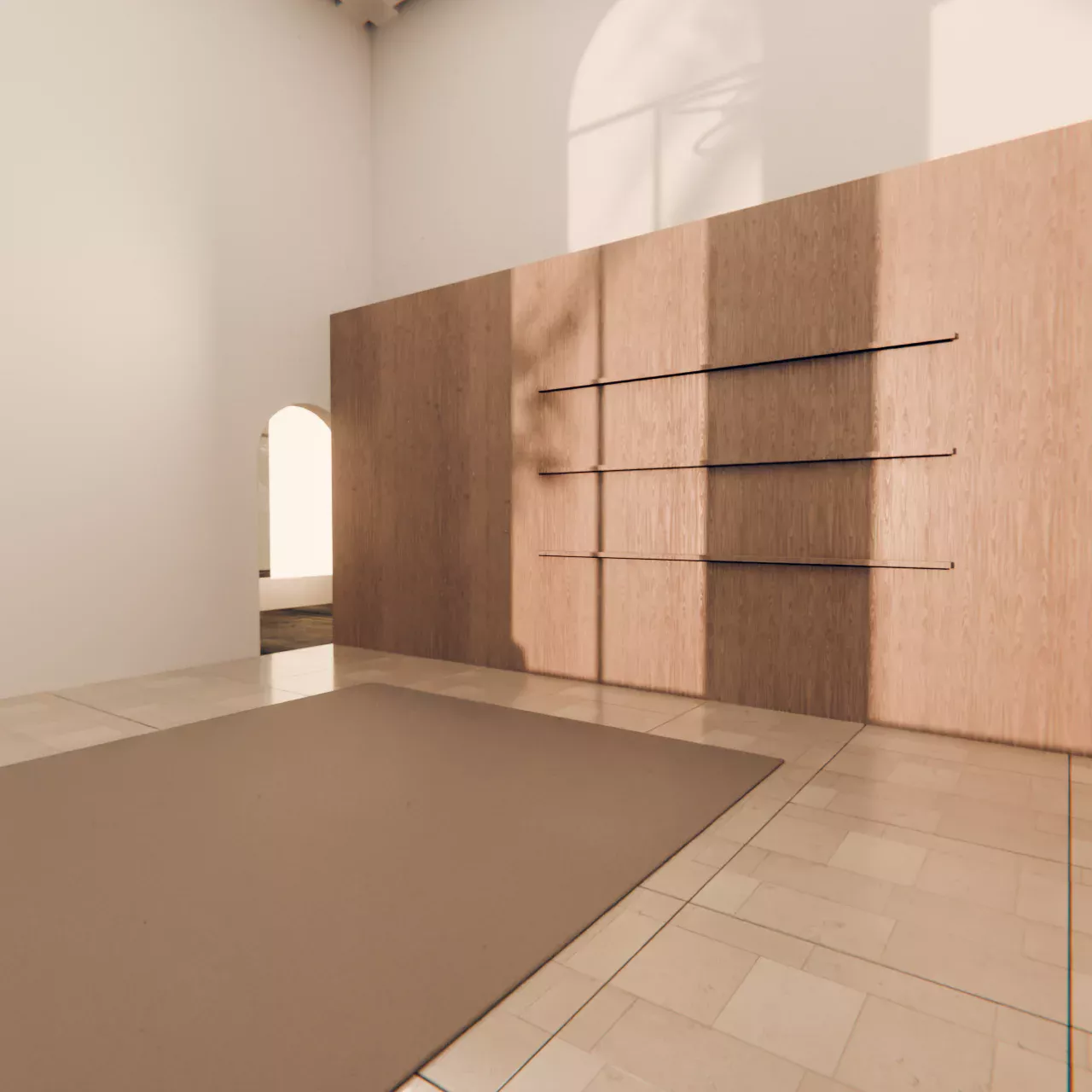
Full-height oak panelling with shelves
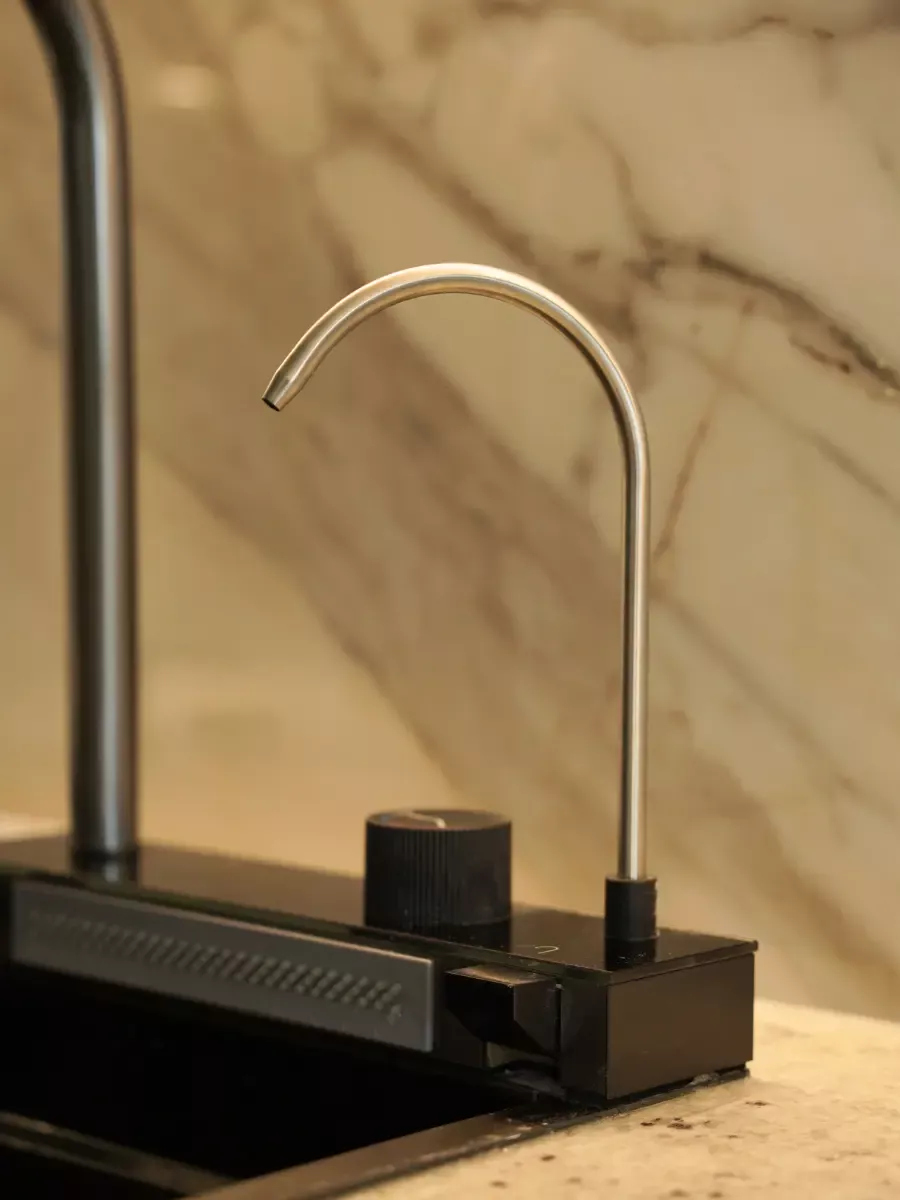
Marble surface with a brushed tap
Retail display joinery
01

Kitchens

Full kitchen fabrication including carcasses, fronts, islands, pantry systems and appliance integration. Fronts are matched across runs so the grain reads as one piece of timber rather than a set of separate doors, and every panel is cut for the opening it will actually occupy.
02

Wardrobes and dressing rooms

Walk-in dressing rooms, fitted wardrobes and island storage — planned around what is actually being stored, with internal lighting, soft-close hardware, and shelf depths set to the wearer rather than to a catalogue.

03

Wall panelling and media walls

Full-height panelling, slatted acoustic walls, media units with concealed cable management and ventilation, and integrated display lighting. Panel joints are set out to the room, so the rhythm lands on the centre line instead of ending in an awkward offcut at the corner.

04

Vanities and wet areas

Moisture-rated substrates, sealed edges, and stone tops templated on site after the walls are finished — never before. It is the difference between a vanity that survives a decade in this climate and one that swells at the base in the second summer.

05

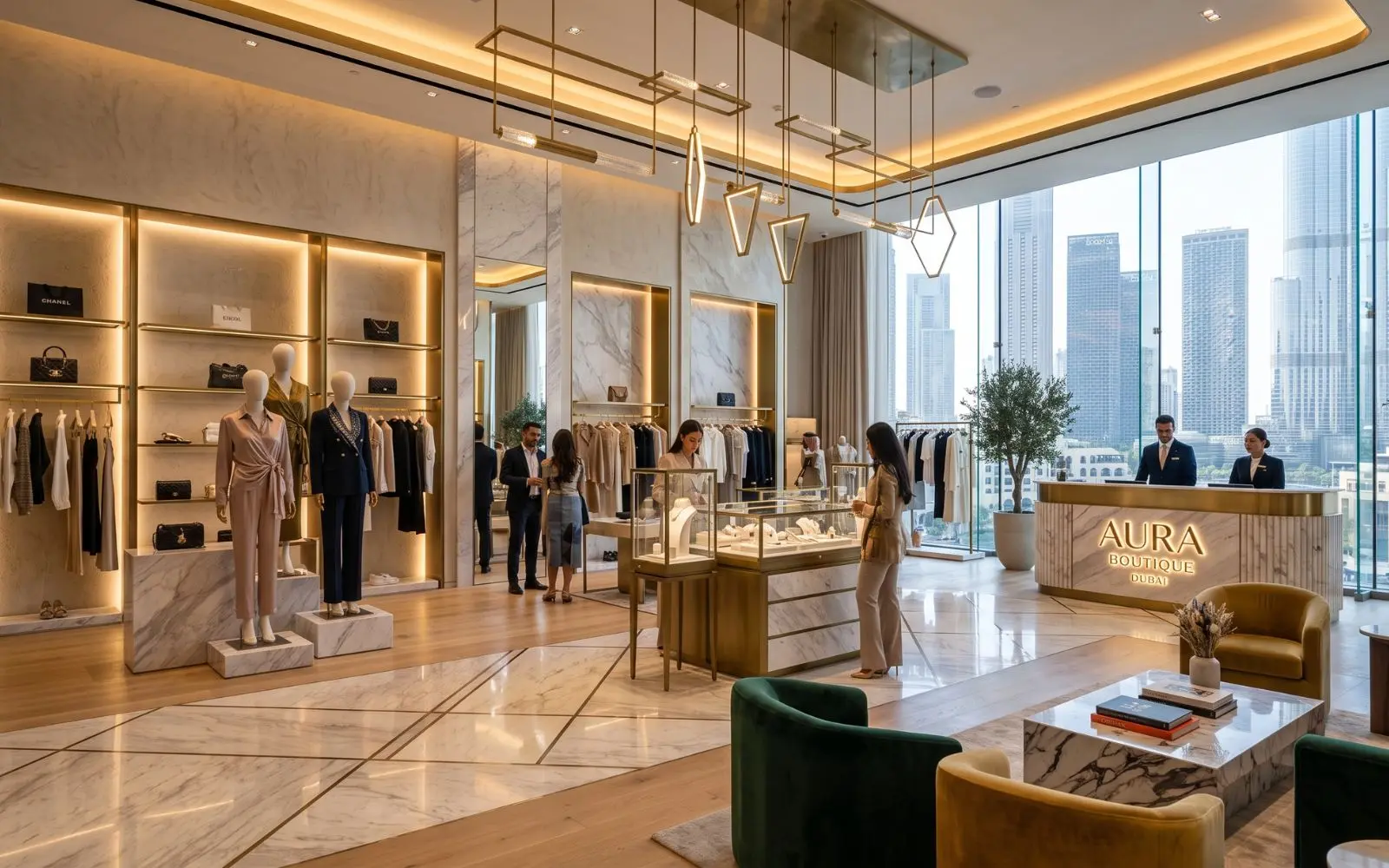
Reception and retail joinery

Reception desks, retail display systems, banquette seating and back-bar units — built to commercial durability standards and detailed so serviceable components can be reached without dismantling the installation.

Workshop — European oak

Materials

What we build it from.

Oak doors
Oak doors
01

Timber and veneer

European oak, walnut and ash in solid and veneered form, finished with natural oils or hardwax rather than heavy lacquer — so the surface can be repaired locally instead of replaced entirely.

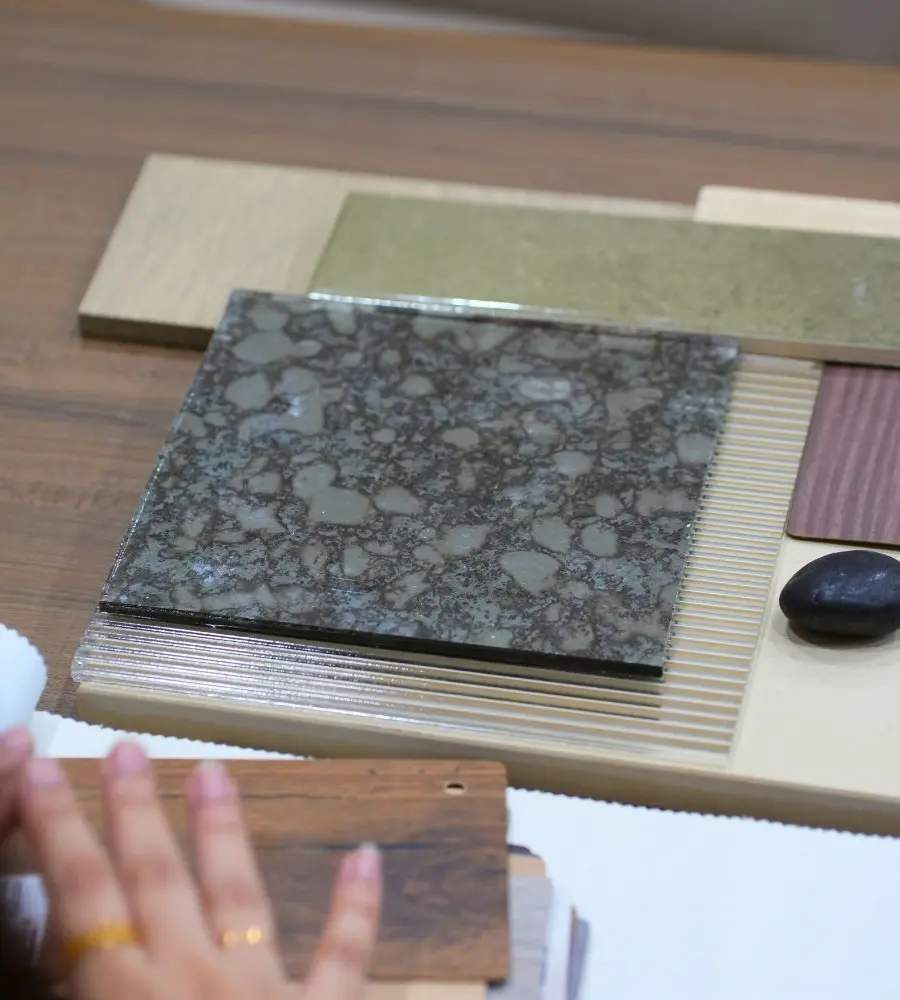
Stone and veneer samples
02

Stone and composite

Italian marble, granite, engineered quartz and sintered stone for worktops, splashbacks and vanity surfaces — templated on site, with edge profiles and joint positions agreed before cutting.

Brushed metal on marble
03

Metal and hardware

Brushed and antique brass, blackened steel, powder-coated aluminium. Hinges, runners and lifting mechanisms are specified from established European manufacturers, because hardware is the part of joinery that fails first and is noticed most.

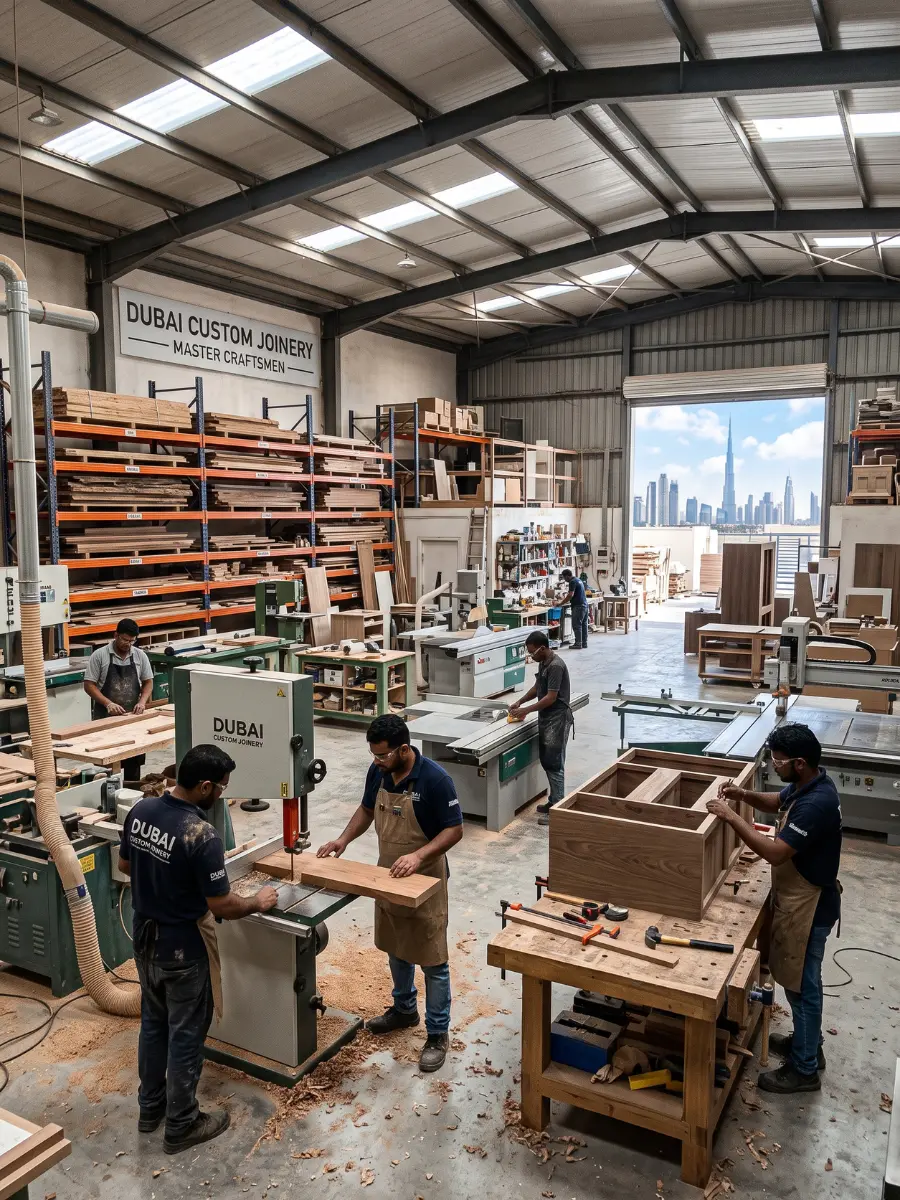
Joinery workshop
Joinery workshop
Made in Al Quoz

Where it is made.

The joinery on this page is made at our factory in Al Quoz Industrial 4, Dubai, and installed by the team that made it.

  • Made to the opening

    Set out against the measured opening, so storage sits within the wall rather than in front of it.

  • Installed by our team

    Designed, made and installed by NITS — one point of responsibility.

Inside the factory

Questions

Questions about custom joinery.

What do you make?

Kitchens, wardrobes and dressing rooms, wall panelling and media walls, vanities and wet areas, and reception and retail joinery — designed, fabricated and installed by our own workshop.

Where is the joinery made?
Is it made to measure?

Yes. Every panel is cut for the opening it will actually occupy. Nothing in a real building is square, so joinery made only to the drawing will not fit.

Which materials do you work with?

European oak, walnut and ash in solid and veneered form; Italian marble, granite, engineered quartz and sintered stone; brushed and antique brass, blackened steel and powder-coated aluminium.

Which hardware do you use?

Hinges, runners and lifting mechanisms from established European manufacturers — hardware is the part of joinery that fails first and is noticed most.

How are stone tops fitted?

They are templated on site after the walls are finished, never before, with edge profiles and joint positions agreed before cutting.

Start a project

Talk to us about joinery.

A few details let us come back with something considered rather than generic. We reply to every enquiry from the design team, not a call centre.

Step 1 of 2: Your details
Best way to reach you
Step 2 of 2: About the space