Skip to content
In-house fabrication

Custom joinery in Dubai The reason our details close properly.

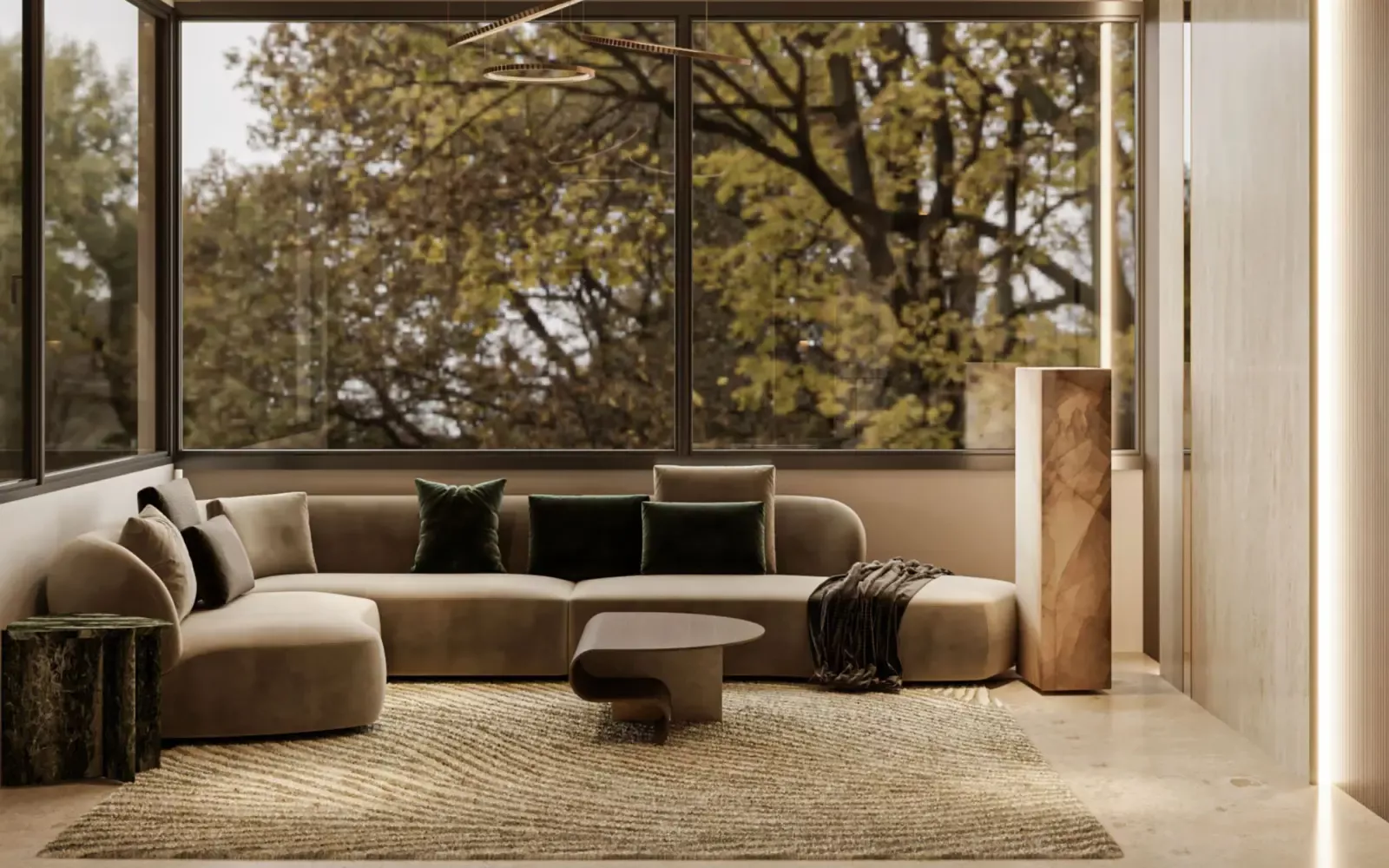
Custom joinery designed, fabricated and installed by our own workshop — the single biggest difference between an interior that looks bespoke and one that is.

Skip the film

★★★★★ 4.8 out of 5 from 62 Google reviews Read our client reviews

At a glance

Custom joinery, in short.

Made at
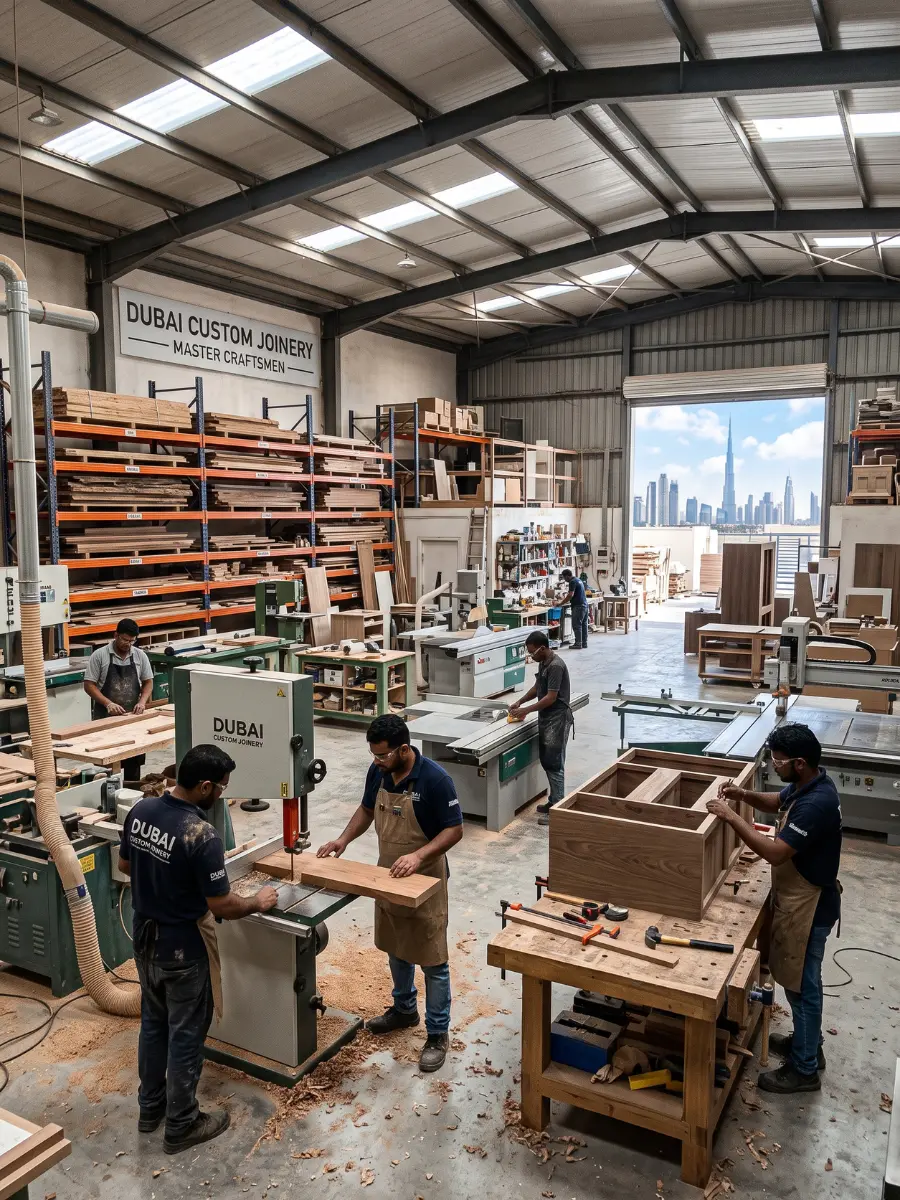
Our factory at Warehouse No. 3, Plot 283, Al Quoz Industrial 4, Dubai.
What we make
Kitchens, wardrobes, dressing rooms, panelling, media walls, vanities, reception desks and retail display.
Measured to
The opening on site, so each panel is cut for the wall it occupies.
Timber
European oak, walnut and ash, oiled or hardwaxed so surfaces can be repaired locally.
Hardware
Hinges, runners and lifting mechanisms from established European manufacturers.
Installed by
The team that made it, so one company answers for how it fits.
Why it matters

Nothing in a real building is square. Joinery made to the drawing will not fit. Joinery made to the opening will.

The workshop

What we make.

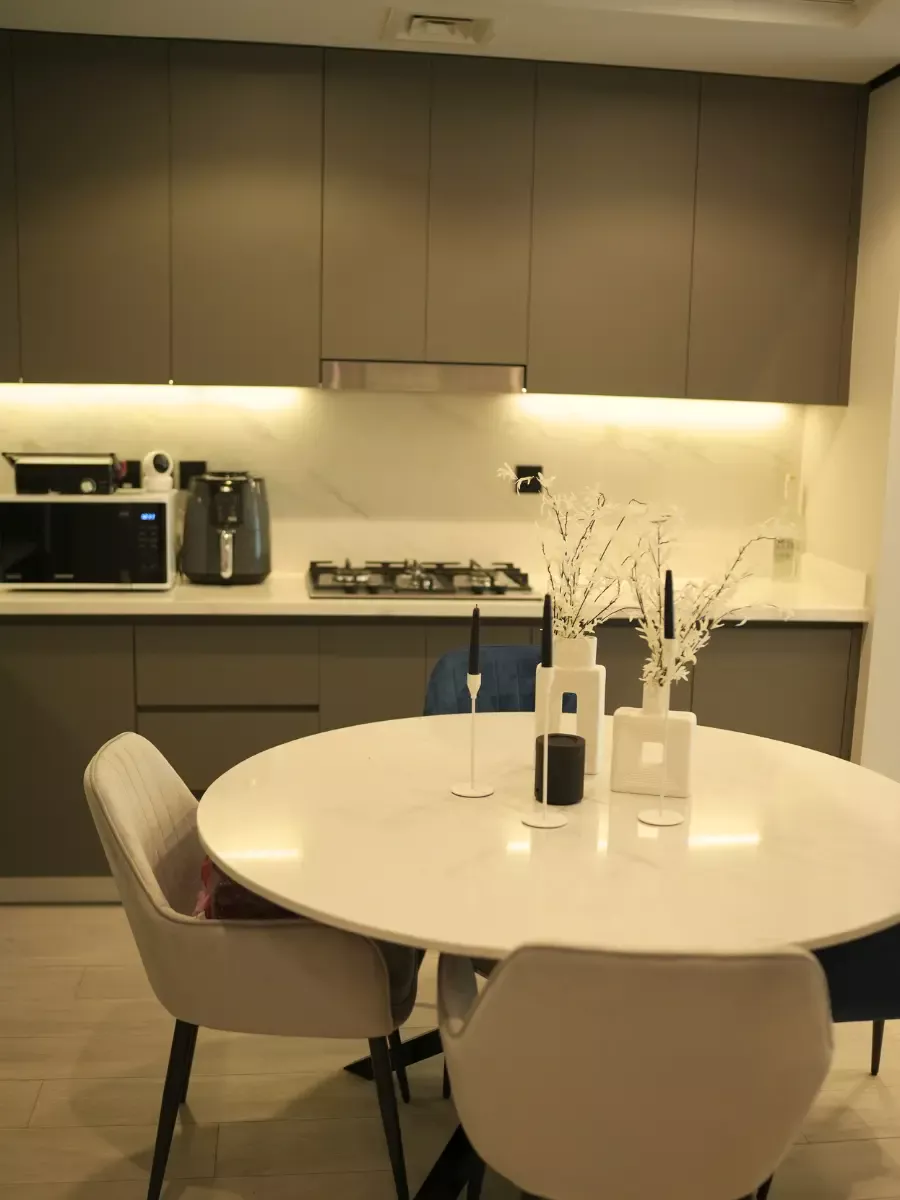
Kitchen with a round dining table
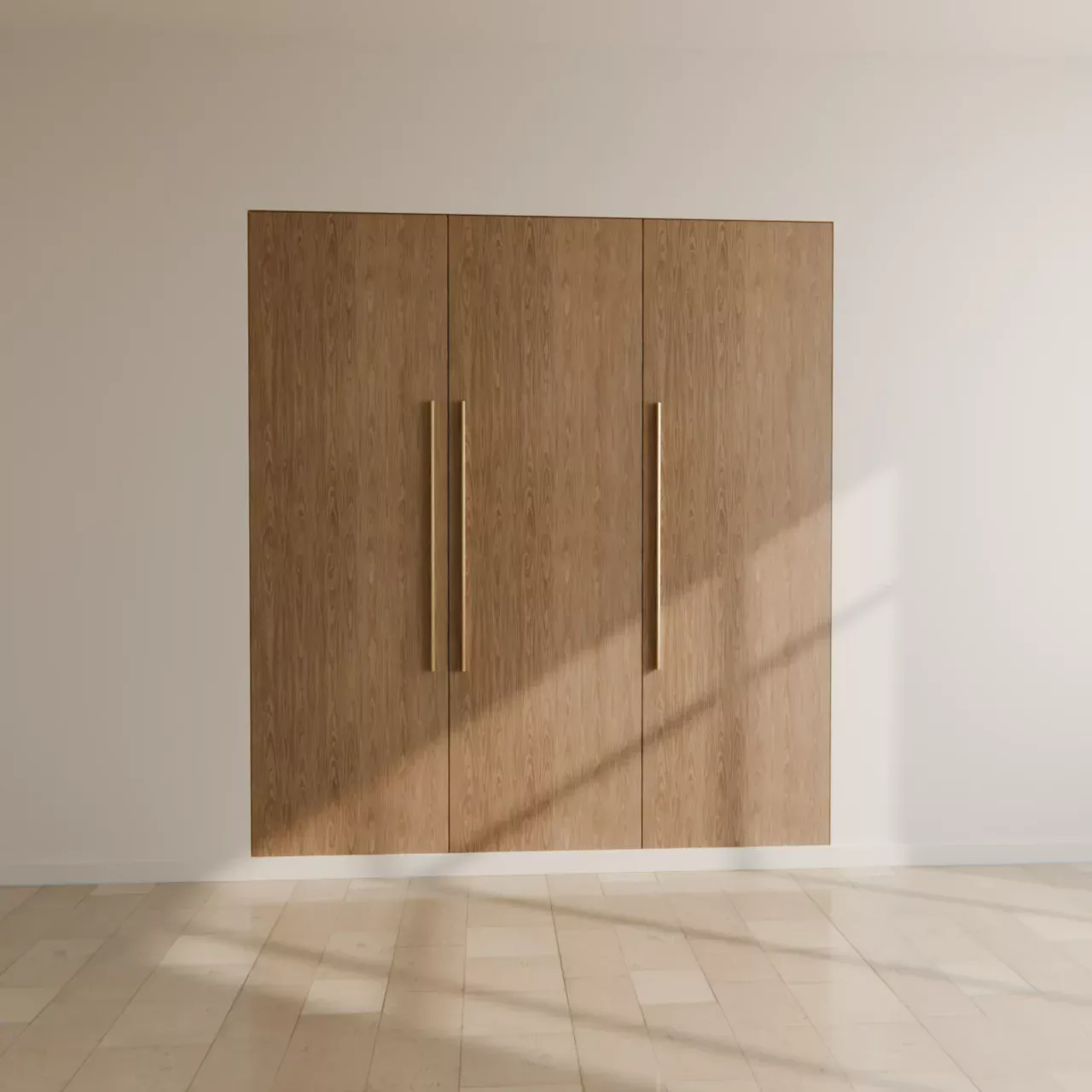
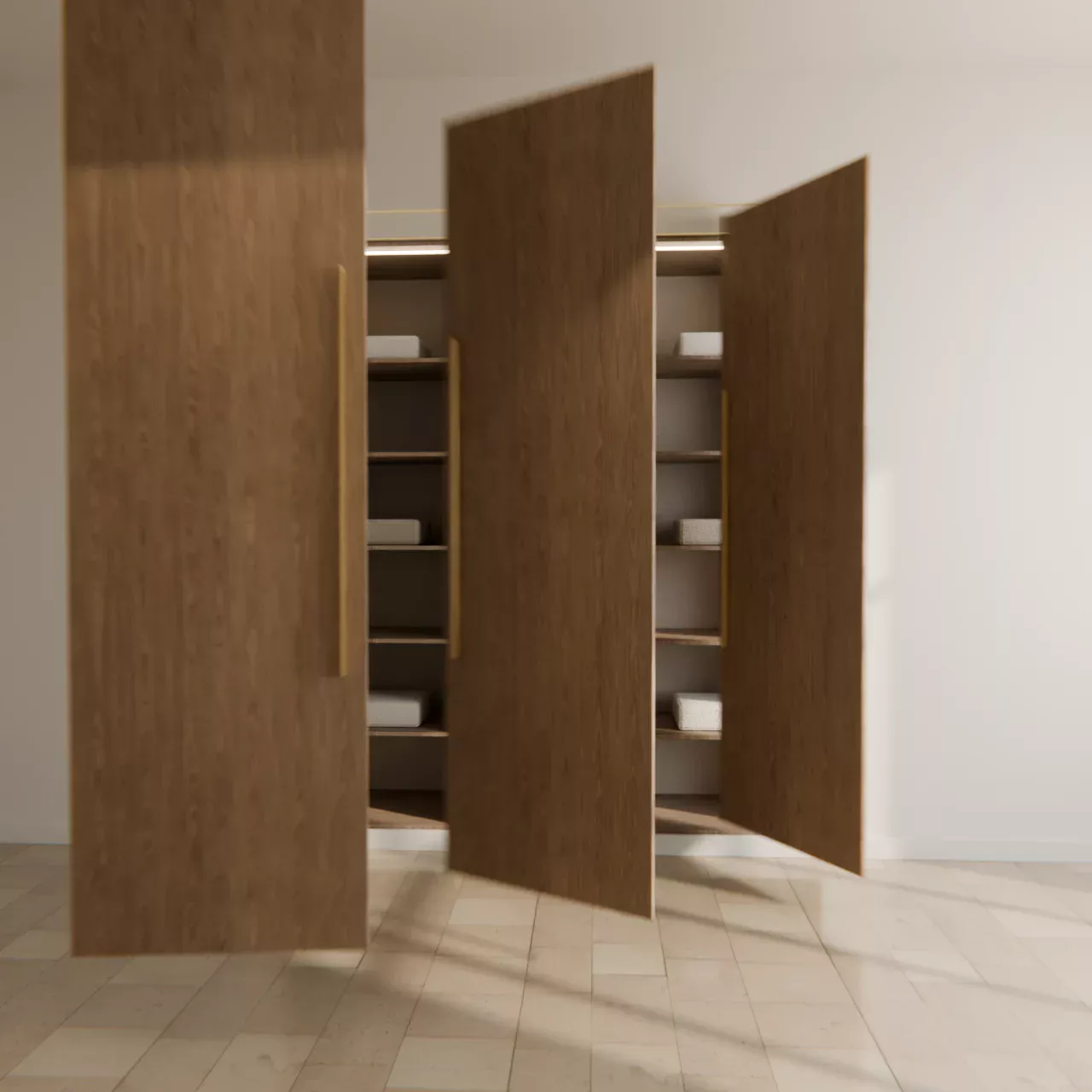
A wardrobe made to its opening
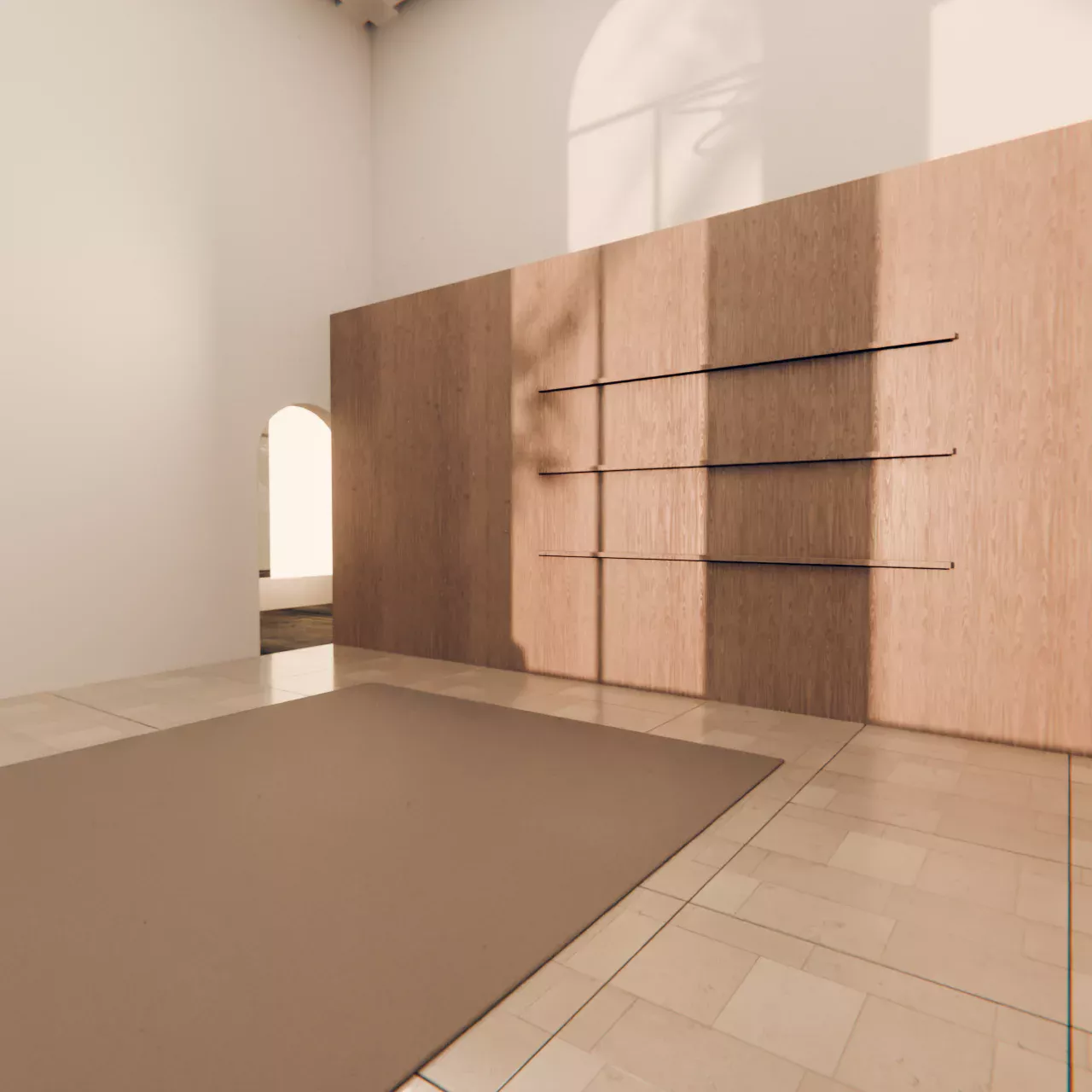
Full-height oak panelling with shelves
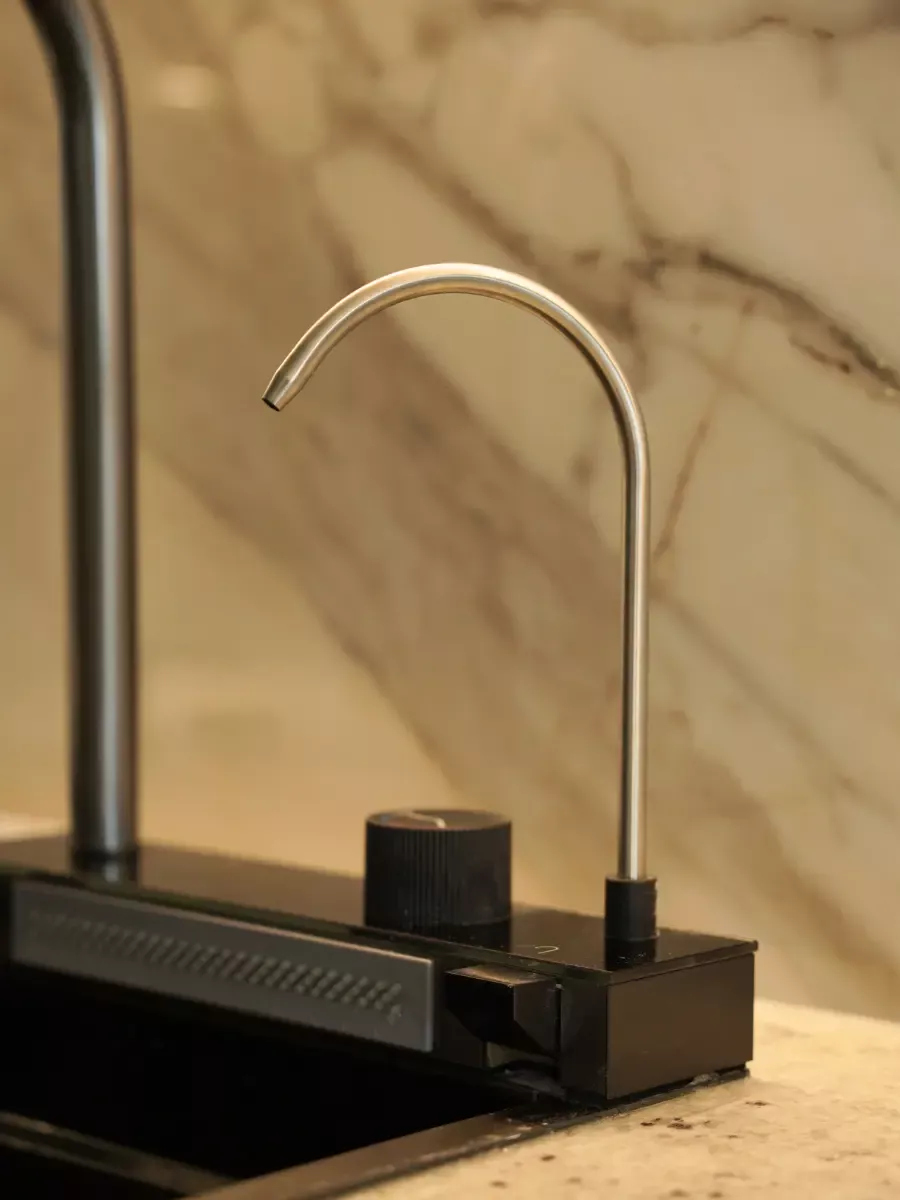
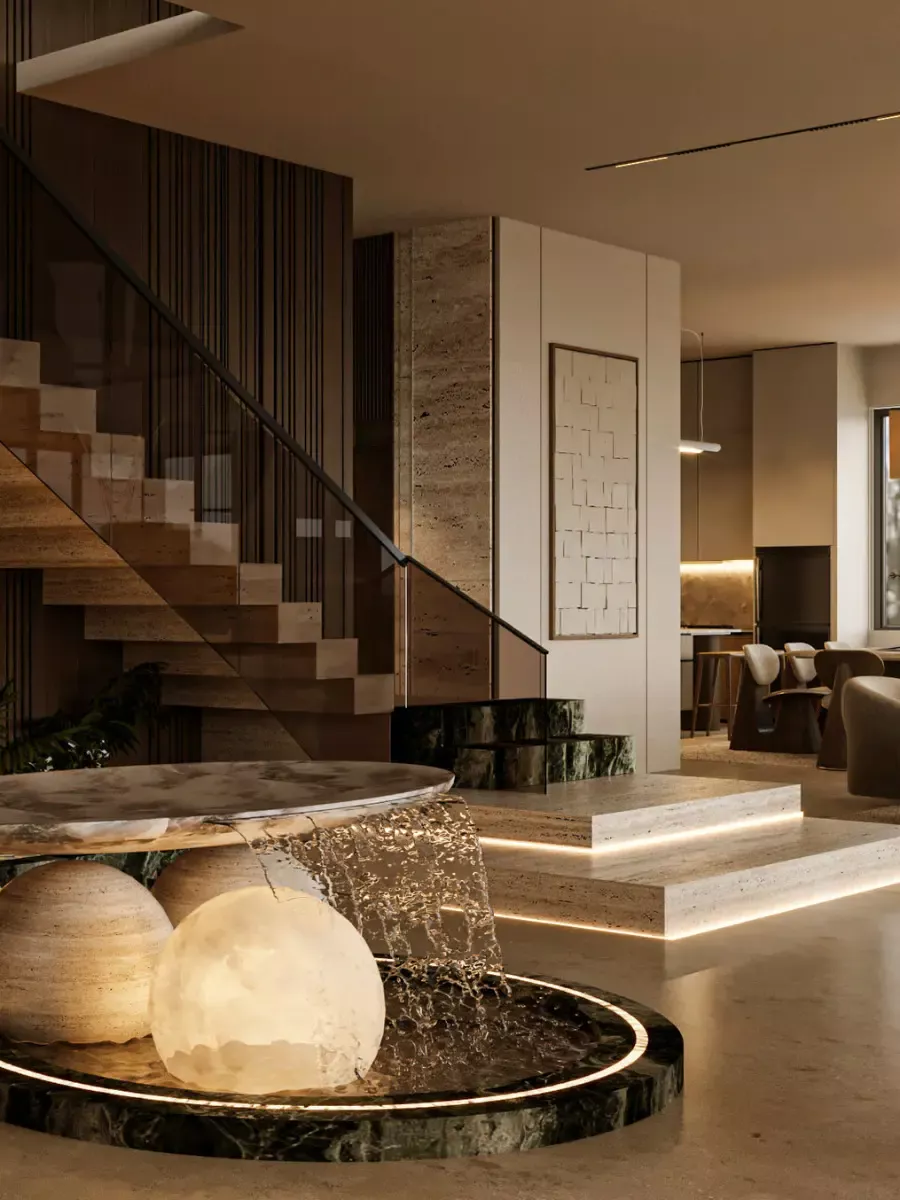
Marble surface with a brushed tap
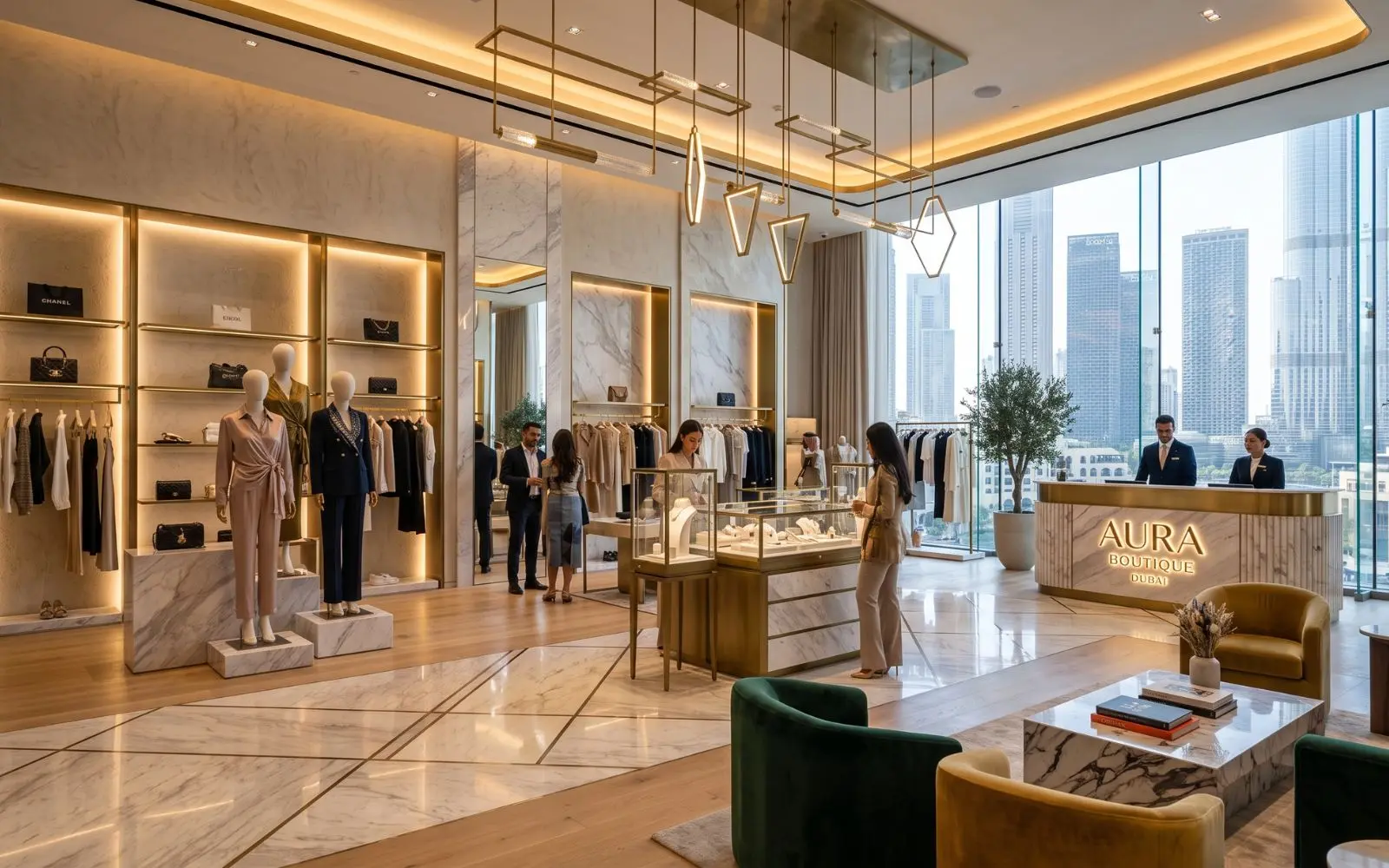
Retail display joinery
01

Kitchens

Full kitchen fabrication including carcasses, fronts, islands, pantry systems and appliance integration. Fronts are matched across runs so the grain reads as one piece of timber rather than a set of separate doors, and every panel is cut for the opening it will actually occupy.

02

Wardrobes and dressing rooms

Walk-in dressing rooms, fitted wardrobes and island storage — planned around what is actually being stored, with internal lighting, soft-close hardware, and shelf depths set to the wearer rather than to a catalogue.

03

Wall panelling and media walls

Full-height panelling, slatted acoustic walls, media units with concealed cable management and ventilation, and integrated display lighting. Panel joints are set out to the room, so the rhythm lands on the centre line instead of ending in an awkward offcut at the corner.

04

Vanities and wet areas

Moisture-rated substrates, sealed edges, and stone tops templated on site after the walls are finished — never before. It is the difference between a vanity that survives a decade in this climate and one that swells at the base in the second summer.

05

Reception and retail joinery

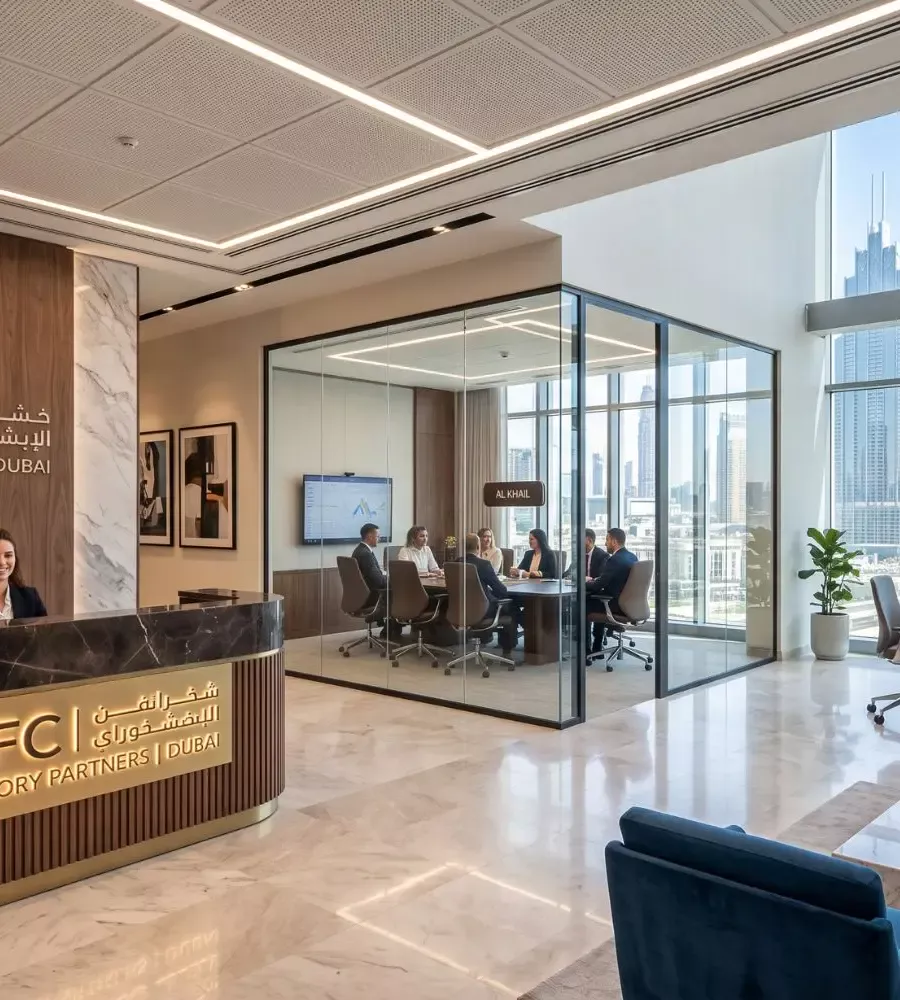
Reception desks, retail display systems, banquette seating and back-bar units — built to commercial durability standards and detailed so serviceable components can be reached without dismantling the installation.

Workshop — European oak

Materials

What we build it from.

Oak doors
Oak doors
01

Timber and veneer

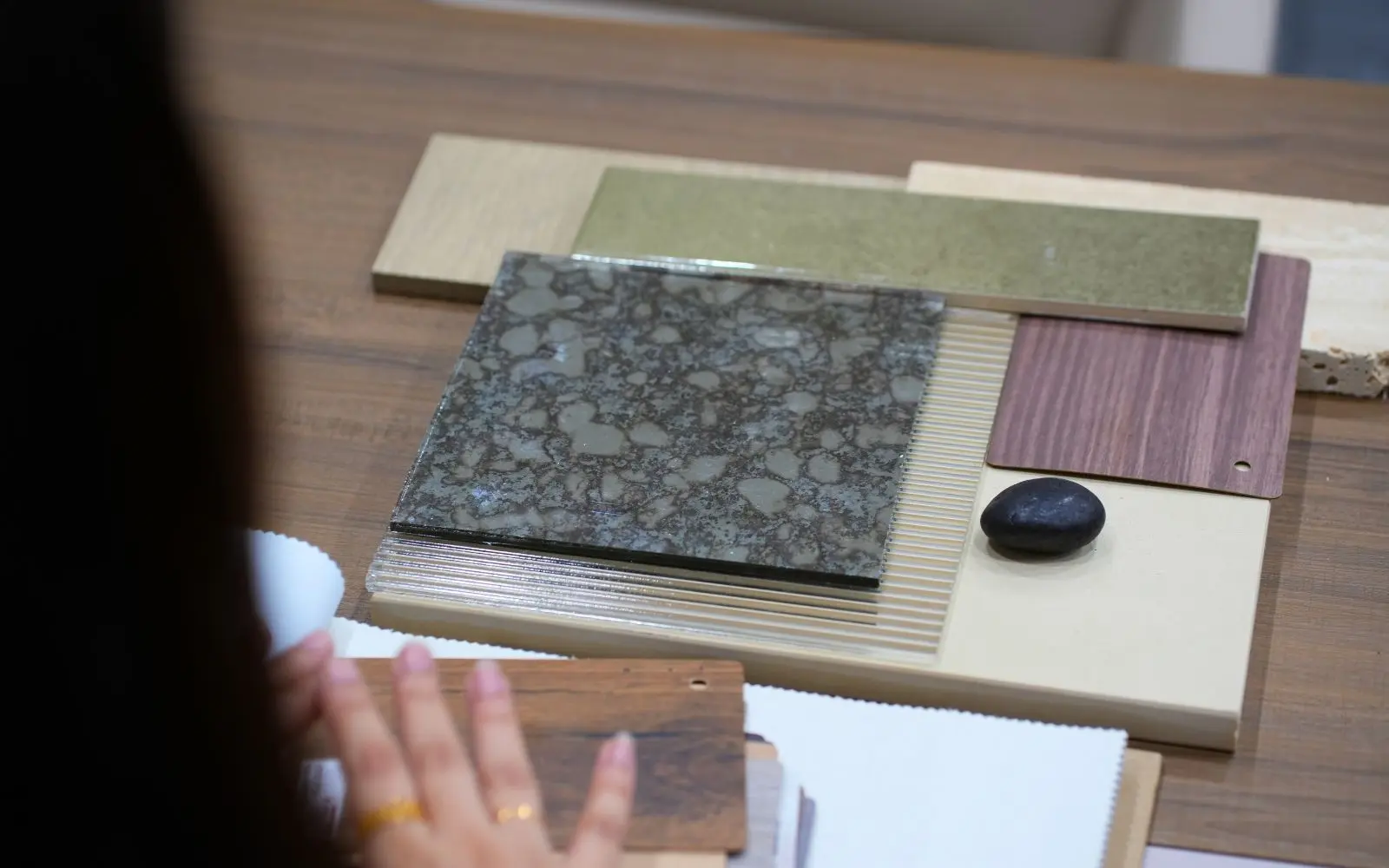
European oak, walnut and ash in solid and veneered form, finished with natural oils or hardwax rather than heavy lacquer — so the surface can be repaired locally instead of replaced entirely.

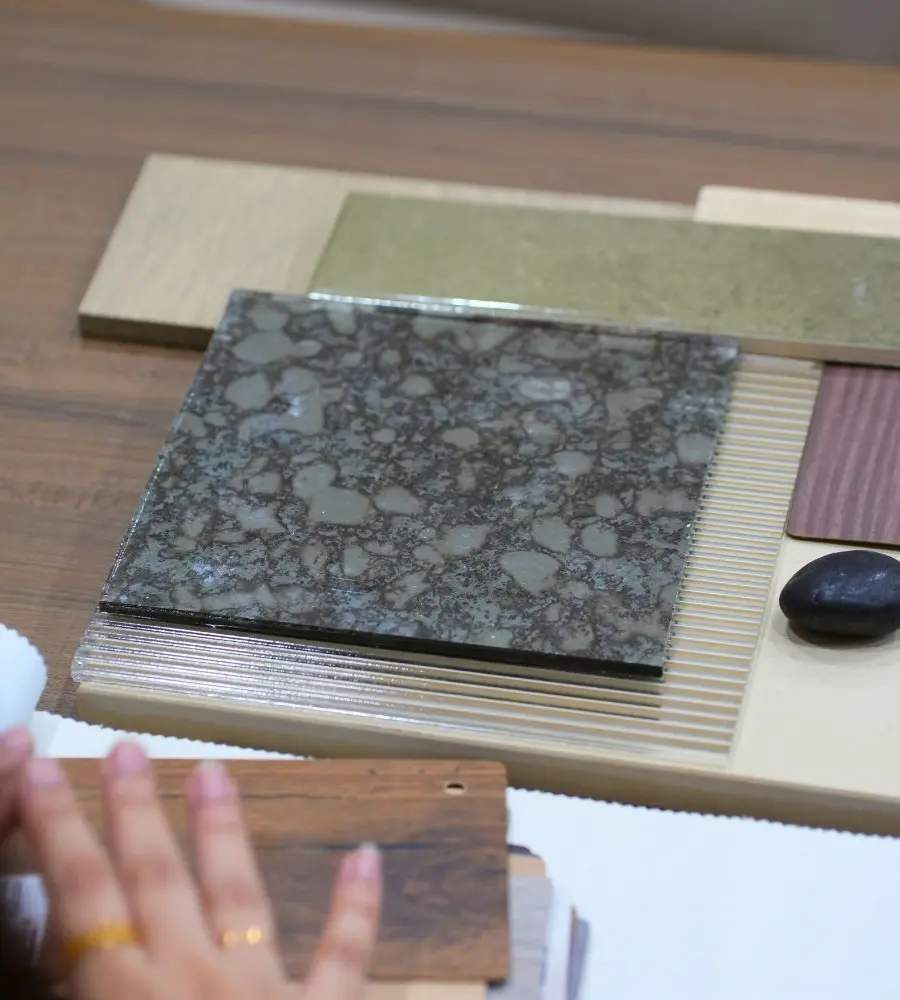
Stone and veneer samples
02

Stone and composite

Italian marble, granite, engineered quartz and sintered stone for worktops, splashbacks and vanity surfaces — templated on site, with edge profiles and joint positions agreed before cutting.

Brushed metal on marble
03

Metal and hardware

Brushed and antique brass, blackened steel, powder-coated aluminium. Hinges, runners and lifting mechanisms are specified from established European manufacturers, because hardware is the part of joinery that fails first and is noticed most.

Joinery workshop
Joinery workshop
Made in Al Quoz

Where it is made.

The joinery on this page is made at our factory in Al Quoz Industrial 4, Dubai, and installed by the team that made it.

  • Made to the opening

    Set out against the measured opening, so storage sits within the wall rather than in front of it.

  • Installed by our team

    Designed, made and installed by NITS — one point of responsibility.

Inside the factory

Before you start

Before the workshop cuts a panel.

01

When bespoke joinery is worth it

Ready-made furniture suits a room with square corners, standard ceiling heights and nothing to hide. Bespoke joinery earns its cost where the room is irregular: an alcove beside a column, a wall that runs out of true, a ceiling with a bulkhead, the space under a stair. A standard module leaves a gap at the side and a dusty shelf above. Joinery made to the opening closes those gaps and keeps the storage within the wall.

It also pays where the use is specific. A dressing room planned around long garments and shoes, a kitchen built around particular appliances and a media wall with ventilation for the equipment it hides each start as design decisions. A joinery company in Dubai that designs, makes and installs can settle them in one set of drawings.

02

Fitted wardrobes or a walk-in dressing room

The choice depends on the room and on what has to be stored. Fitted wardrobes along one wall keep the bedroom floor clear and suit rooms where a walk-in would take space from the bed or the window. A walk-in dressing room needs room for hanging on at least one side and a clear route through, so it usually takes space from a spare bedroom or a corridor.

Start with an inventory: long and short hanging, folded clothes, shoes, bags, luggage, and anything that needs charging. Shelf depths, drawer heights and rail positions are then set to the wearer and to that list. Our wardrobes and dressing rooms are detailed with internal lighting and soft-close hardware. Lighting inside a wardrobe needs power in the right place, so it is drawn with the electrical layout.

03

Humidity, condensation and wet areas

Joinery in Dubai sits between humid outdoor air and cool air-conditioned rooms. Where the two meet, on an external wall, beside a window or near an air-conditioning outlet, condensation can form, and raw board edges take up the moisture and swell. Wardrobe backs on outside walls and vanity bases in bathrooms are where it shows first.

The protection is in the specification. In wet areas we build on moisture-rated substrates and seal the edges. Stone tops are templated on site after the walls are finished, so the joint between stone and wall follows the real surface. Media units carry concealed cable management and ventilation for the heat their equipment gives off. Ask any joinery supplier which board, edge treatment and finish it proposes for each room, and why.

04

From measured opening to installation

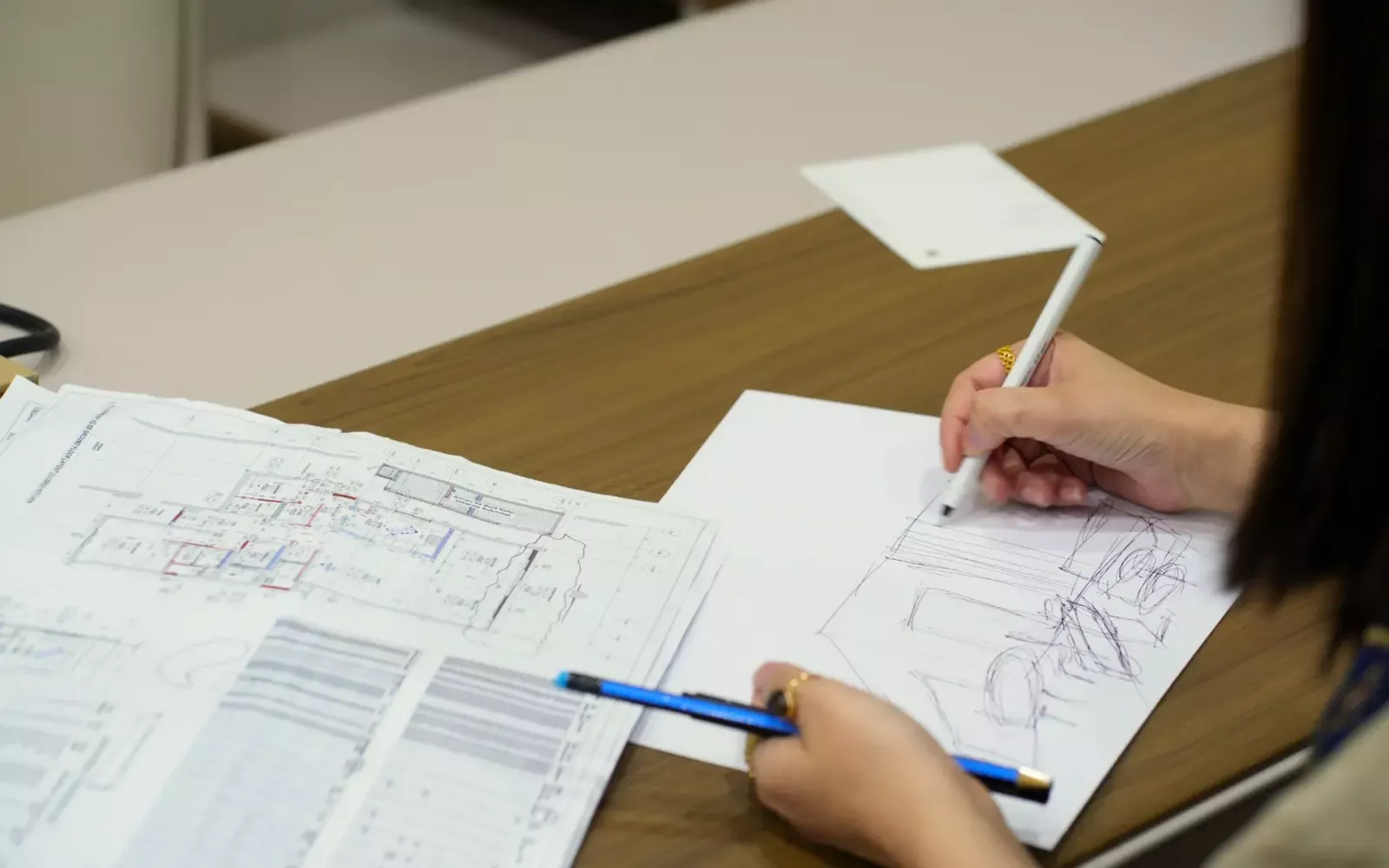
Custom joinery follows the room, so its timing follows the build. The design fixes what each piece holds and how it looks. Appliances are chosen early because a kitchen is drawn around their sizes and connections. The opening is measured on site, and the pieces are set out against those measurements, because walls and floors rarely match the drawing exactly.

Ask when the opening will be measured and when you will approve the shop drawings; both should happen before anything is cut. Kitchen fronts are matched across a run so the grain reads as one piece of timber, and panel joints are set out to the room. The pieces are installed by the team that made them at our factory in Al Quoz, so one company stays responsible for the fit.

05

What decides the cost of joinery

Joinery is priced piece by piece, and a few choices move the number: the material, from solid timber to veneer; the hardware; how much is built in, such as lighting, cable management or integrated appliances; and how much stone is involved. A short run with integrated lighting and a stone top can cost more than a longer plain one.

Compare quotes on the same specification. A cheaper wardrobe may use a different board, cheaper hinges or lighter runners, and those parts carry the daily wear. Ask for each piece to be described separately rather than grouped into one line. Our guide to comparing interior quotes explains what to ask for.

Google reviews

In our clients’ own words.

  • ★★★★★

    I couldn’t be happier with the work done by Nits decor. From start to finish, their team was professional, creative, and attentive to every detail. They truly transformed my space into something both functional and stunning. Communication was seamless, deadlines were met, and the quality of materials and craftsmanship exceeded my expectations. I highly recommend Nits decor to anyone looking for top-notch interior design and exceptional service. They turned my vision into reality perfectly!

  • ★★★★★

    NITS Decor truly stands out in the interior design industry. Their approach is very personalized — they listened carefully to my ideas and translated them into a beautiful, functional space. Every stage of the project was handled professionally, from concept layouts to final installation.
    The workmanship is excellent, and the finishing quality speaks for itself. What I loved most is how stress-free the entire process was; they managed everything perfectly. I’m extremely happy with the results and would gladly work with them again.

  • ★★★★★

    We had a great experience with Nits Decor. Their team has excellent creativity and the work was neat, well designed and finished on time. Really hapy with the result andwould highly recommend them.

Questions

Questions about custom joinery.

What do you make?

Kitchens, wardrobes and dressing rooms, wall panelling and media walls, vanities and wet areas, and reception and retail joinery — designed, fabricated and installed by our own workshop.

Where is the joinery made?
Is it made to measure?

Yes. Every panel is cut for the opening it will actually occupy. Nothing in a real building is square, so joinery made only to the drawing will not fit.

Which materials do you work with?

European oak, walnut and ash in solid and veneered form; Italian marble, granite, engineered quartz and sintered stone; brushed and antique brass, blackened steel and powder-coated aluminium.

Which hardware do you use?

Hinges, runners and lifting mechanisms from established European manufacturers — hardware is the part of joinery that fails first and is noticed most.

How are stone tops fitted?

They are templated on site after the walls are finished, never before, with edge profiles and joint positions agreed before cutting.

Can a damaged timber surface be repaired?

Usually, yes. Our oak, walnut and ash are finished with natural oils or hardwax, so a scratch or a worn patch can be treated where it is. A heavy lacquer finish tends to need the whole panel refinished or replaced, so we avoid it on our timber.

Do you make joinery for offices, shops and restaurants?

Yes. Reception desks, retail display systems, banquette seating and back-bar units are made at the same factory and built to commercial durability standards. They are detailed so that serviceable components can be reached without dismantling the installation. That matters once the space is open for business. See restaurant interior design and office fit-out for how those projects run.

Why are kitchen fronts matched across a run?

So the grain reads as one piece of timber along the whole kitchen. Fronts cut from unrelated boards change in colour and figure from door to door, and the kitchen starts to look assembled from parts. Matching is decided when the timber or veneer is selected, before any front is cut.

Do you make and install joinery for Abu Dhabi projects?

Our projects run across Dubai and Abu Dhabi, and the joinery for both is made at our factory in Al Quoz Industrial 4. It is installed by our own team, the people who made it, and stone tops are still templated on site once the walls are finished.

Start a project

Talk to us about joinery.

A few details let us come back with something considered rather than generic. We reply to every enquiry from the design team, not a call centre.

SpaceWhat are we designing?
ConfigurationWhat is the configuration of your space?
Type of spaceWhat kind of space is it?
HandoverWhat is the property’s handover status?

Design can start before the keys arrive. It is how the best projects finish on time.

StartWhen would you like to start?
ScopeWhat would you like us to take on?
SiteWhere is the space?

Not listed? Type the name or address and press Enter.

SizeRoughly how big is it?
NotesAnything we should know?
YouWhere should our designer reach you?

With the country code, e.g. +971 50 123 4567.

Best way to reach you